
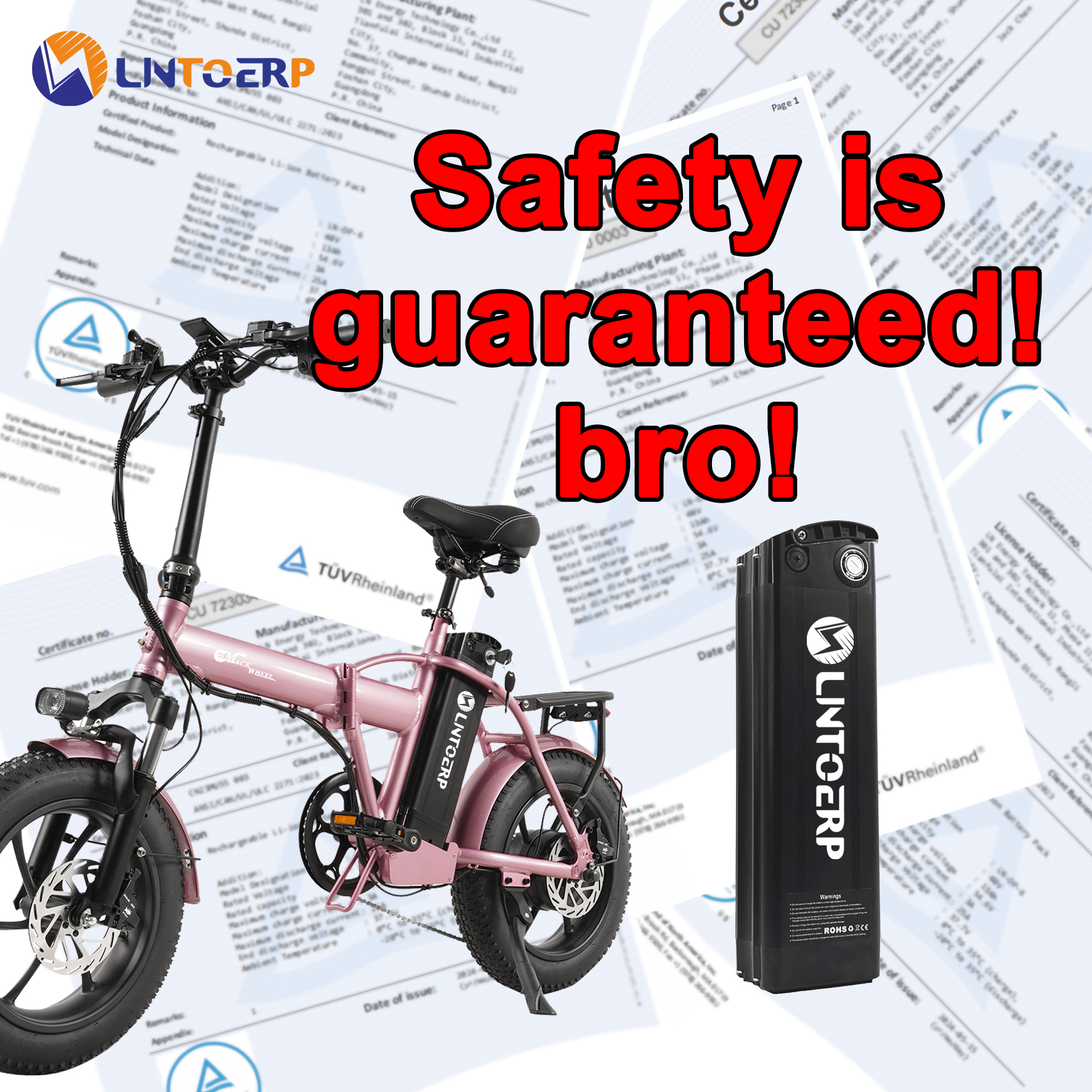
You’ve seen the sticker: “UL2271 Certified.” It’s stamped on battery listings everywhere. But in a market flooded with look-alike products, how do you know it’s genuine? What does it actually do for you?At LN Energy Tech, we believe an informed rider makes the best choice. Let’s move beyond marketing and dive into the engineering behind this crucial seal of approval.UL2271: It’s Not About Performance, It’s About Survival.Unlike capacity (Ah) that tells you how far you can go, UL2271 tells you how safe you’ll be getting there. Developed by Underwriters Laboratories, it’s the benchmark for safety of electrical systems in light electric vehicles (e-bikes, e-scooters).Think of it as a battery’s crash test. It doesn’t measure speed—it measures protection in worst-case scenarios.The Crucible: What Does a Battery Actually Endure?To earn UL2271, a battery is subjected to simulated lifetime abuse:Electrical Abuse: Short circuits, o…
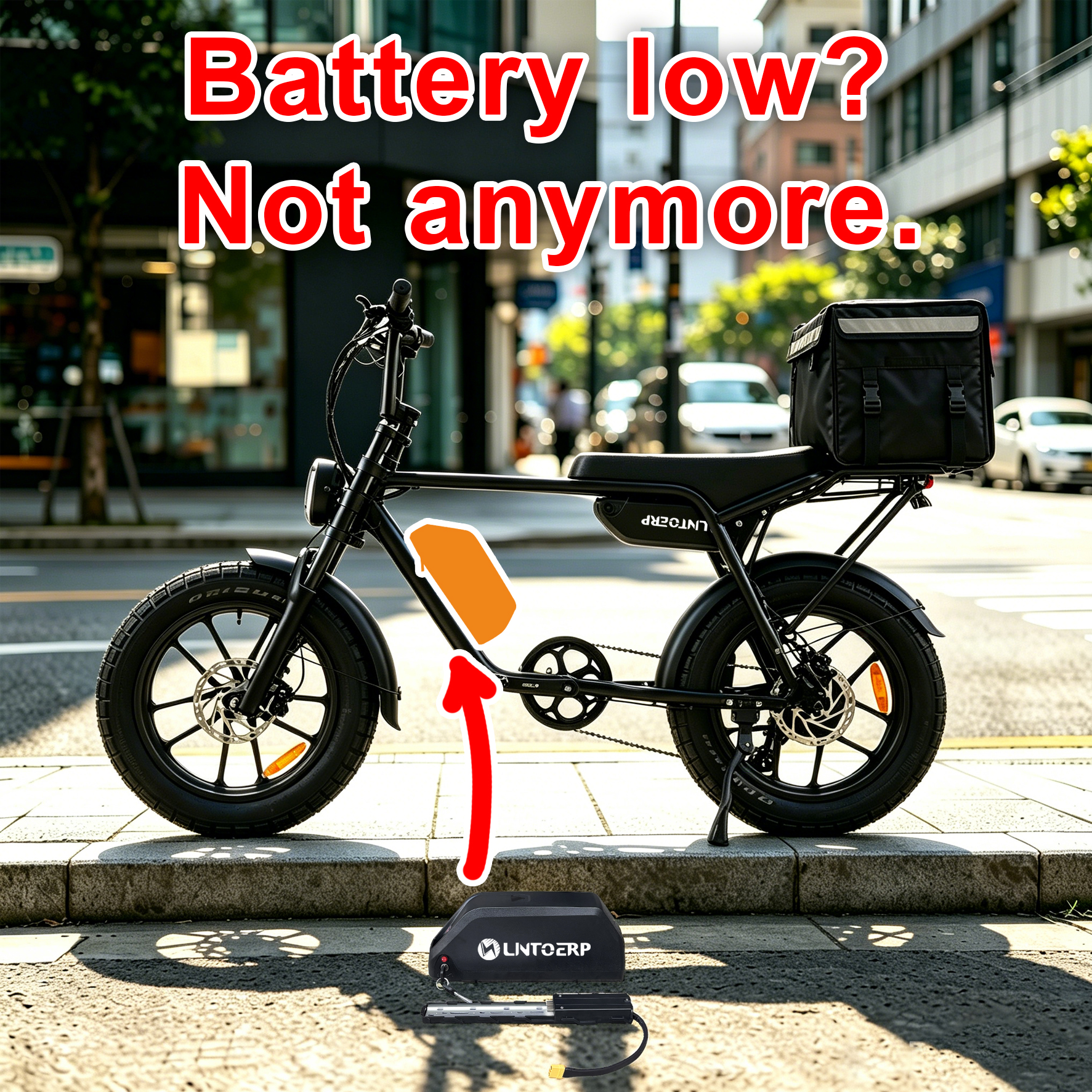
Meet Alex, a food delivery rider in Barcelona. His 3-year-old e-bike still runs, but its original 36V battery barely lasts two lunch shifts. A new bike is expensive. His solution? A battery conversion kit.If you’re in Alex’s shoes, this guide is for you. We’ll cut through the jargon and answer the real questions about upgrading your bike’s heart.1. What’s Actually in a “Kit”? (Hint: It’s Not Just a Battery)A proper kit from a professional supplier like LN Energy Tech typically includes:The New Battery: Higher voltage (e.g., 48V) and/or capacity (e.g., 20Ah).A Compatible Charger: Specific to the new battery’s voltage and chemistry.Essential Wiring & Connectors: Often overlooked, but crucial for a safe, plug-and-play installation.Mounting Hardware: Brackets or straps to securely fit the new pack onto your frame.2. The #1 Question: Will This 48V Battery Fry My 36V Motor?Probably not, but you MUST check this first.Most modern …
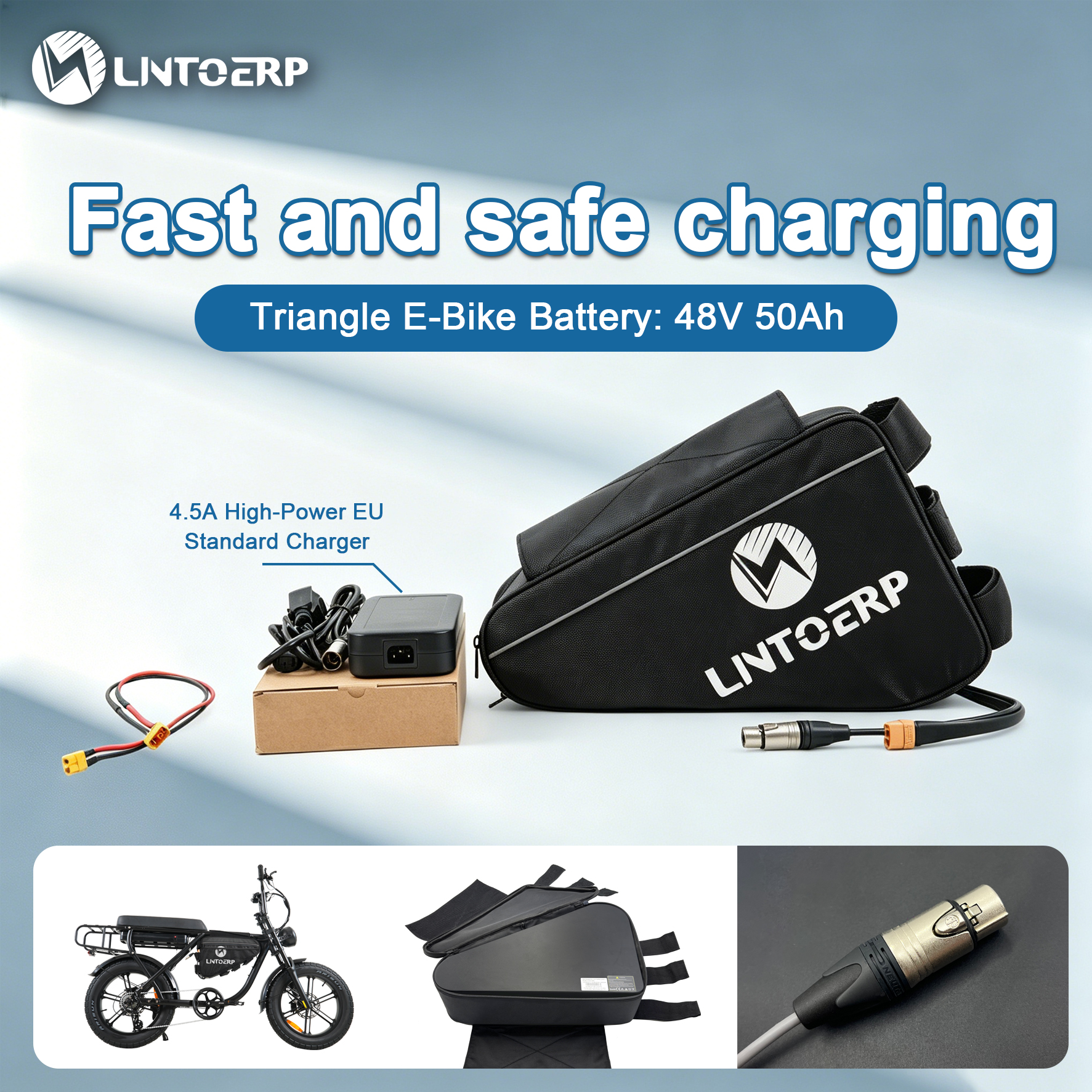
“Charge in 2 hours, not 6!” It sounds like a dream for any rider on a tight schedule. But then you hear the whispers: “It kills your battery life.” So, which is true?At LN Energy Tech, we engineer batteries for the real world, where time matters. Let’s bust the myths and explain how true fast charging works—safely.Myth #1: “Fast Charging Always Damages Cells. It’s Chemistry.”Reality: It’s about controlled aggression.Yes, forcing high current into any battery creates heat and stress. The damage comes from uncontrolled heat. Our fast-charge compatible batteries are built differently:Cells Selected for the Job: We use NMC cells with a higher C-rating for charging (e.g., capable of 1C or 2C continuous charge), not just any commodity cell.The BMS is the Conductor: Our smart BMS doesn’t just stand by. It actively monitors individual cell temperature and voltage during charging. If one cell gets too hot or full too quickly, it re…
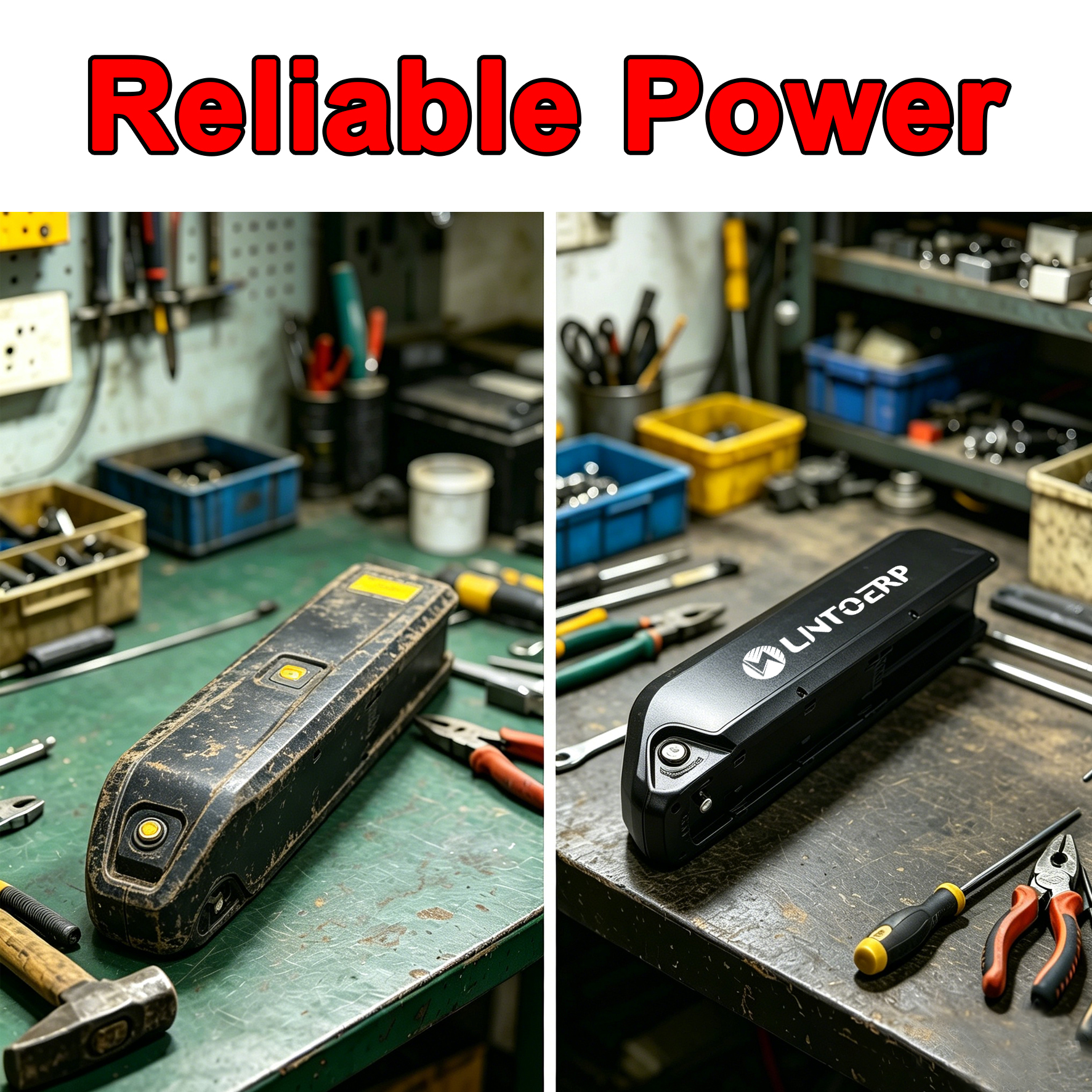
At LN Energy Tech, our laboratory receives not only new components for testing but also failed batteries from the field for analysis. Recently, a 48V hailong-style battery used by a local delivery rider arrived with a pronounced swollen case, having lasted less than 90 days. This post-mortem examination reveals why initial cost savings can lead to significant long-term expense and risk.The Physical Evidence: More Than Just a Swollen CaseDisassembly confirmed the primary failure: severe imbalance and degradation of several lithium-ion cells. However, the root cause was systemic:Inadequate Cell Matching: The cells showed significant variance in internal resistance, a sign of poor factory grading. Under load, weaker cells degraded faster.Under-Specified BMS: The battery management system lacked individual cell voltage monitoring. It could not prevent the over-discharge of the weakest cells during deep cycles, accelerating the…

“How far will it really go?” This is the most practical question we hear at LN Energy Tech. Marketing claims often cite a perfect-world “maximum range,” but riders live in the real world of hills, headwinds, and delivery deadlines.To move beyond speculation, we equipped one of our standard 48V 15Ah NMC packs with a data logger and gave it to two team members with very different use cases for a week. The goal was not to achieve a headline number, but to map the relationship between behavior and battery consumption.The Test Parameters: Two Riders, One Battery PackAll tests used the same LNTOERP 48V 15Ah (720Wh) battery, fully charged before each run. Distance was measured via GPS until the BMS initiated low-voltage cutoff.Test A: The Efficient Commuter (Klara)Profile: 62kg rider. Route: 70% flat bike paths in Shenzhen, 30% urban streets. Consistent, moderate pedal assist (PAS 3/5). Average speed: 19 km/h.Result: 68 km before…
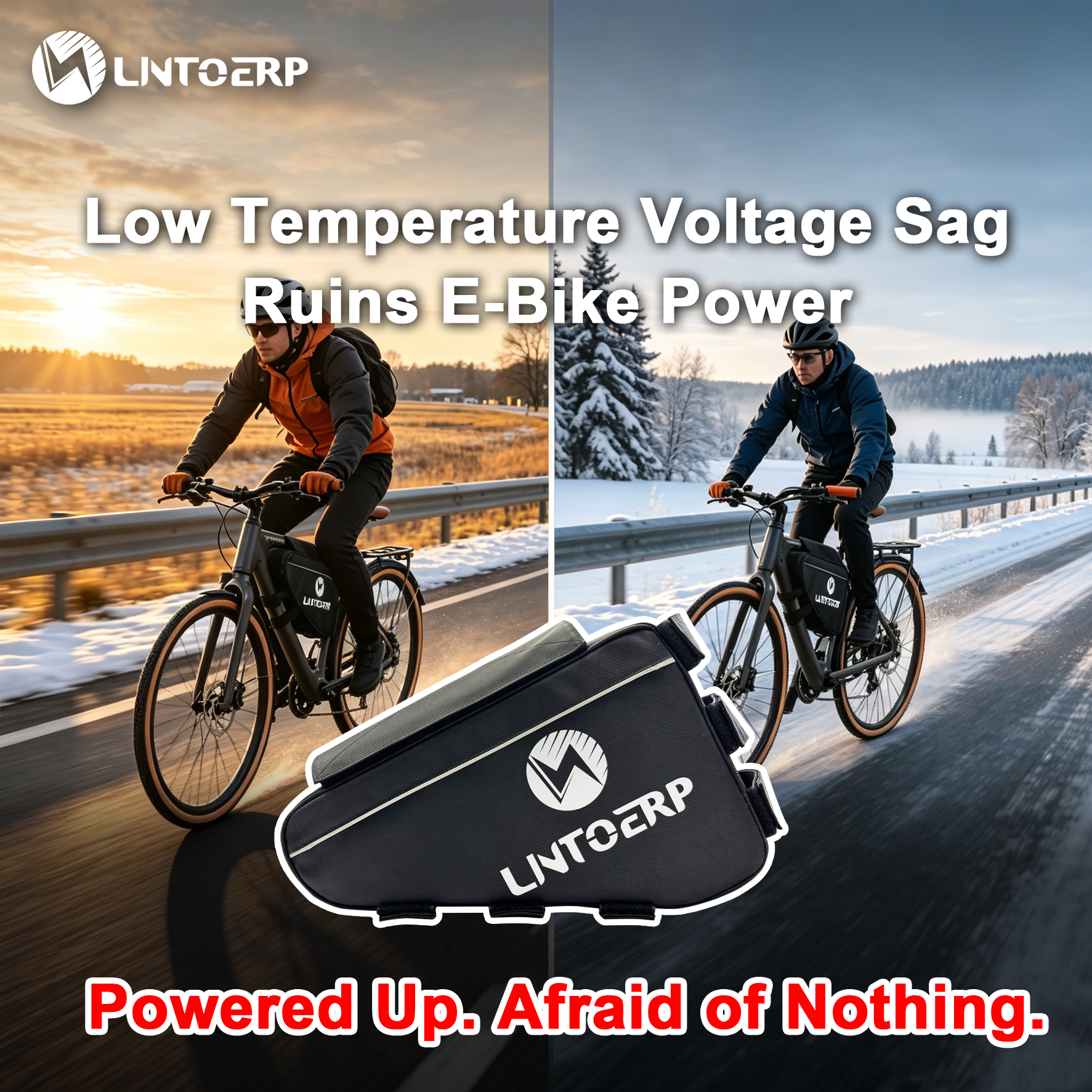
You purchased a new 52V battery for more torque. On a warm afternoon, the acceleration is thrilling. But on the first chilly morning commute, the display voltage plunges under throttle, and that sharp acceleration feels sluggish. This isn't your imagination, nor is it necessarily a faulty battery. You're experiencing voltage sag, a fundamental physical behavior exaggerated by temperature.At LN Energy Tech, we engineer our batteries not just for peak performance, but for consistent output across real-world conditions. Understanding sag is key to choosing a pack that won't let you down when you need power most.The Electrical Heart of the Issue: It's About Pressure, Not Just VolumeThink of voltage as electrical "pressure" pushing current to your motor. Capacity (Ah) is the total "volume" of energy available.Under Load: When your motor demands high current (e.g., accelerating, climbing), the…
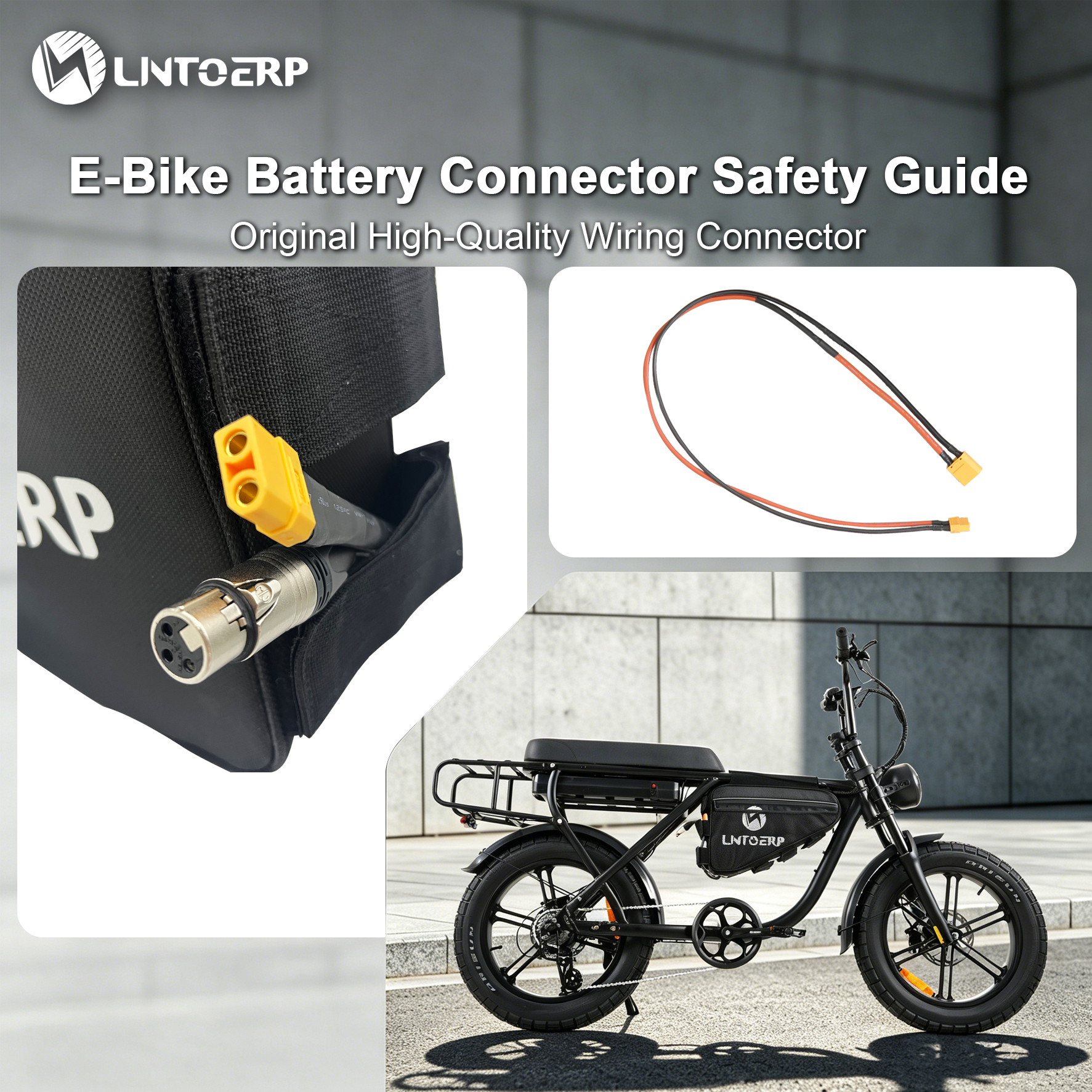
It happened to a customer in Berlin last month. He’d installed a high-performance 72V battery on his custom e-bike, thrilled with the new torque. Then, after a long uphill climb, he smelled plastic burning. The culprit? The generic, plastic-housed DC plug connecting his battery to the controller had partially melted due to sustained high current and poor contact.Most riders focus on volts and amp-hours, but the connector is the critical gatekeeper for all that power. At LN Energy Tech, we specify connectors not as an afterthought, but as a key safety component, especially for high-discharge applications like our 72V Talaria upgrade kits or heavy-duty 48V delivery packs.Why the Wrong Plug Becomes a FuseElectrical connectors have two main ratings: Voltage and Current. Exceed the continuous current rating, and resistance at the metal contact points generates heat.Cheap Connectors: Use thin metal contacts and low-temperature p…
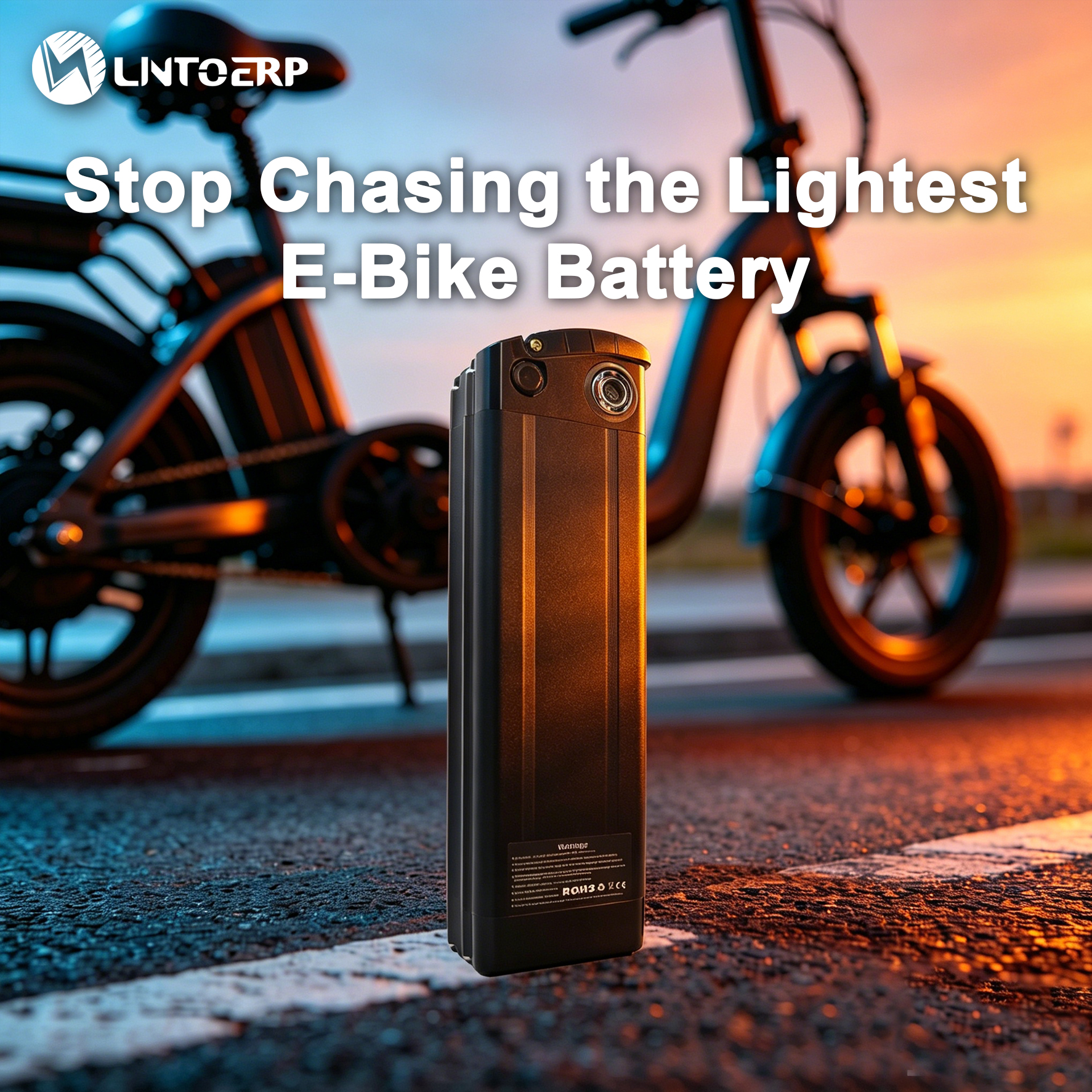
The sales pitch is seductive: “Ultra-lightweight battery with no performance loss!” In the quest for a nimble ride, weight becomes the ultimate metric. But at LN Energy Tech, when we see a competitor’s pack that’s suspiciously light for its claimed capacity, our engineers get skeptical, not excited. Here’s why.There’s no magic in lithium-ion energy density. To store a given amount of energy (Watt-hours), you need a specific mass of active materials (cathode, anode, electrolyte). When a pack is significantly lighter than the physics suggest, something critical has likely been sacrificed.The Anatomy of Missing Grams: Where Weight “Savings” HappenThe Cell Compromise: The most direct way to save weight is to use lower-quality cells with less active material or thinner internal structures. These cells often have higher internal resistance and lower cycle life. They might hit the capacity number once, but degrade quickly.The Ske…
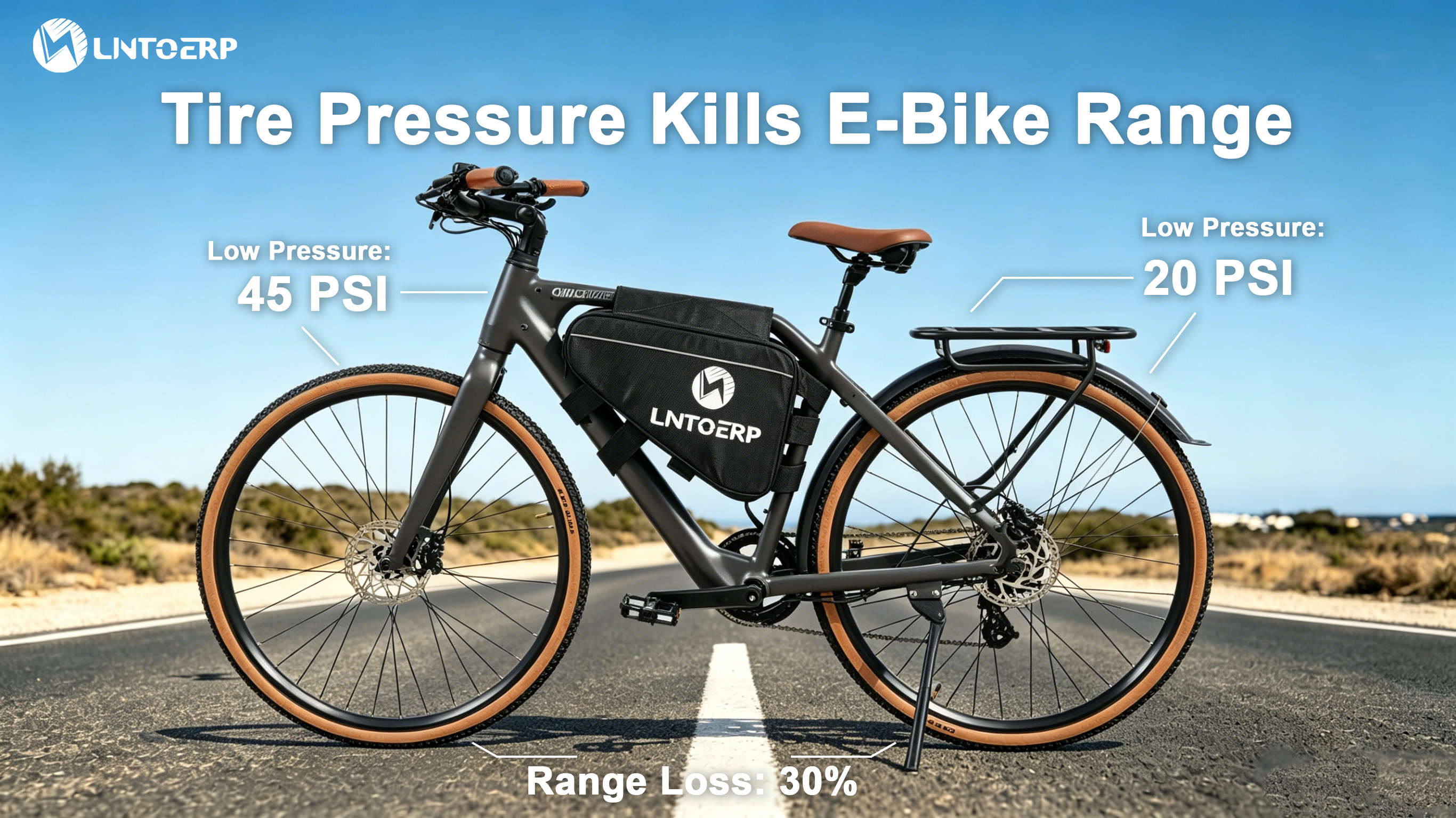
You’ve checked your battery health, optimized your charging, and ride conservatively. Yet, your range is still falling short. Before you suspect the battery itself, look down. The answer might be under-inflated tires—the most common, silent, and easily fixed range killer.At LN Energy Tech, we partnered with a local delivery fleet in Lisbon to measure this exact variable. Over two weeks, we tracked the energy consumption of identical e-bikes running identical 48V 17.5Ah LNTOERP batteries. The only variable changed was tire pressure. The results were staggering.The Physics of Rolling Resistance: It’s Like Riding Through SandA tire’s contact patch with the road is its footprint. Low pressure flattens this patch, increasing the surface area dragging against the asphalt.High Rolling Resistance: More energy from your motor is converted into heat and deformation of the tire, rather than forward motion.The Motor’s Burden: To maint…
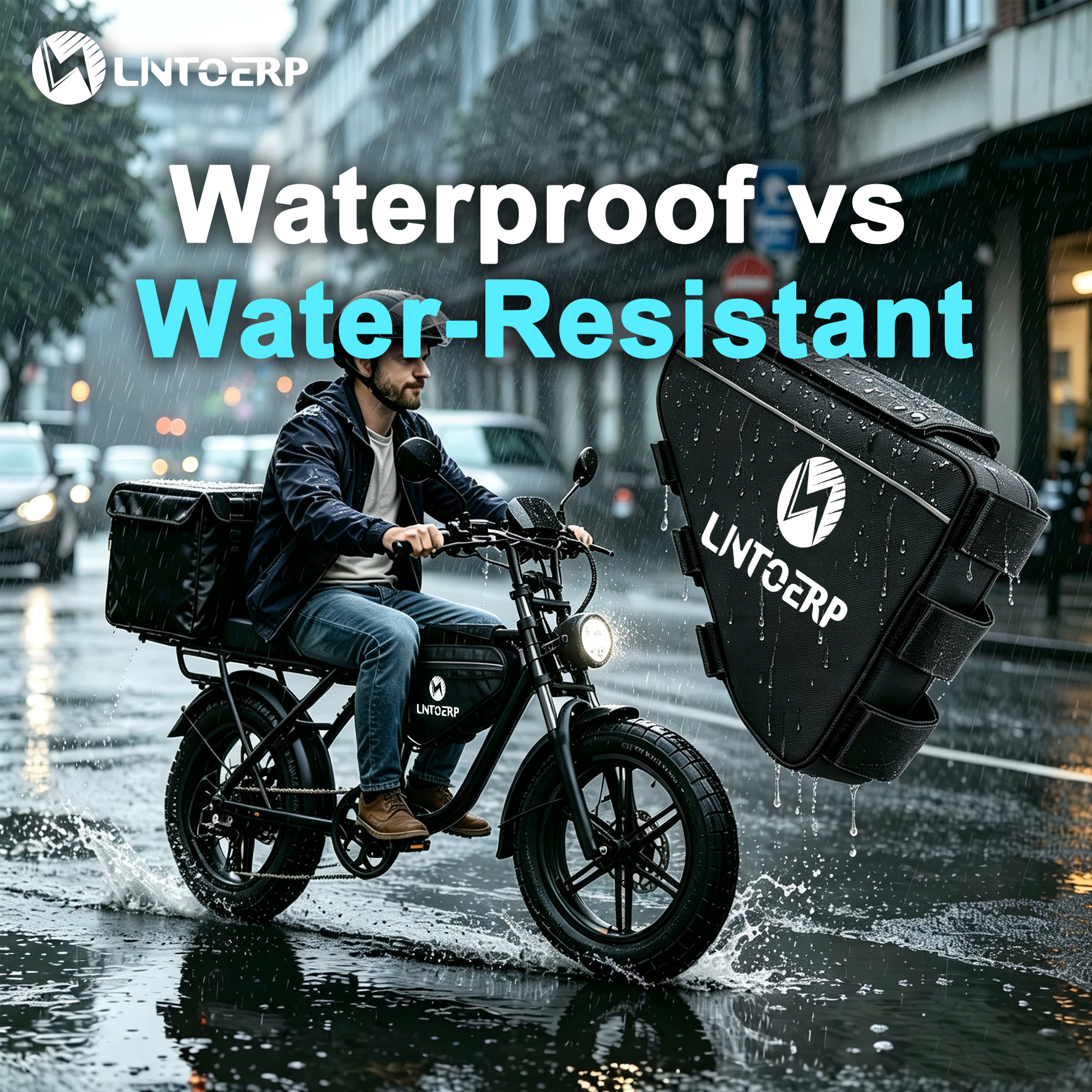
The advertisement reads: “Fully Waterproof E-Bike Battery.” The rider, trusting this claim, gets caught in a heavy downpour. Days later, the battery fails. The truth? There’s no such thing as a fully “waterproof” consumer e-bike battery under international standards. There are only clearly defined levels of ingress protection (IP).At LN Energy Tech, we specify and test to the IP code because ambiguity is a safety risk. A customer in Amsterdam needs to know if their pack can handle a daily commute in drizzly weather, not if it can survive being dropped in a canal.Breaking Down the IP Code: Two Numbers, Two MeaningsThe IP rating always follows the format IPXY.First Digit (X) – Solid Particle Protection: Ranges from 0 (no protection) to 6 (dust-tight). For batteries, 6 is the practical standard. It means no harmful dust ingress.Second Digit (Y) – Liquid Protection: This is the critical one for weather. It ranges from 0 to 9K.…
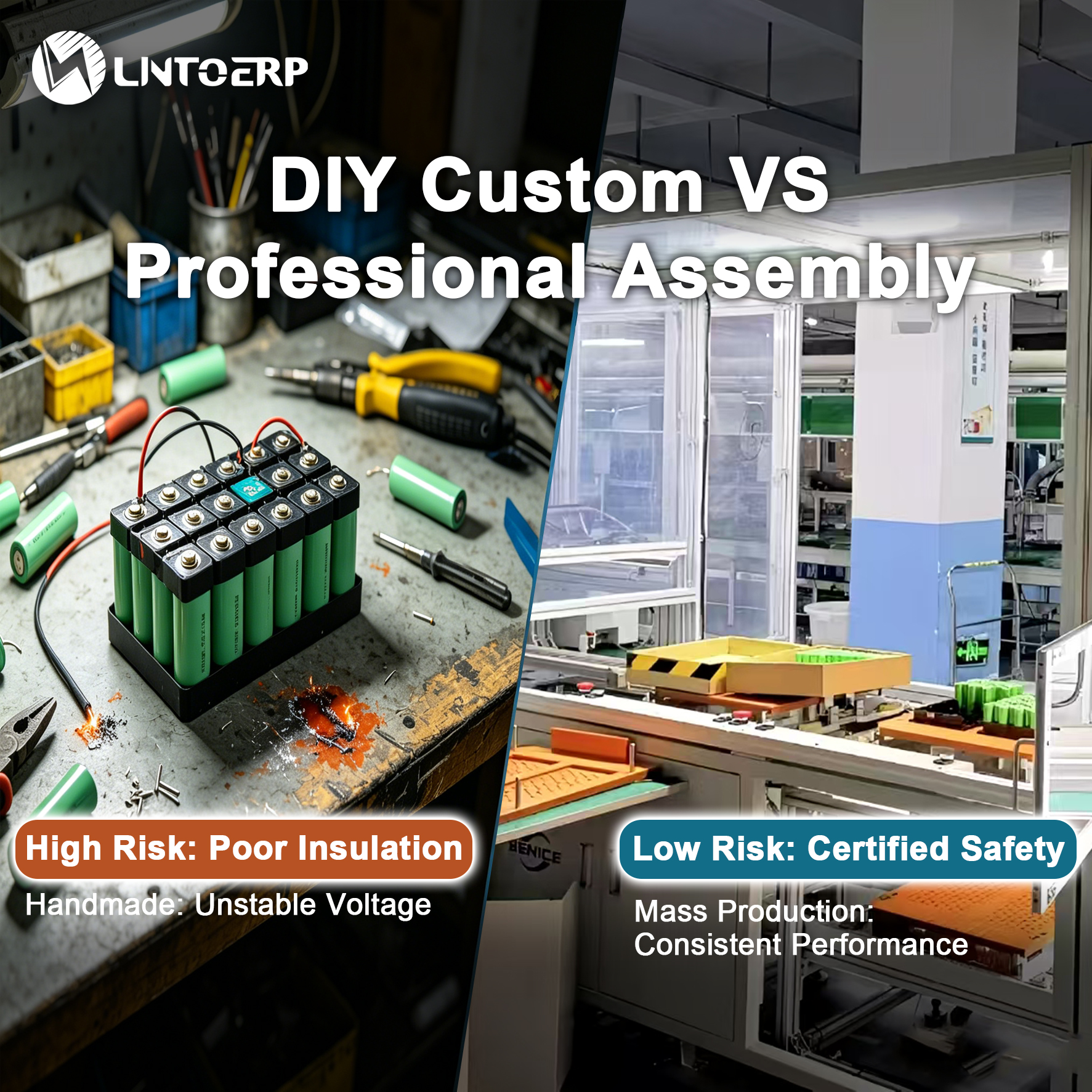
The online forums are full of guides: buy cells, spot-weld nickel strips, add a BMS, and shrink-wrap. The promise of a hyper-custom, low-cost battery is alluring. But at LN Energy Tech, where we’ve analyzed the aftermath of failed DIY packs, the line between a custom power source and a potential incendiary device is thinner than a nickel strip.This isn’t meant to dissuade all hobbyists—it’s a crucial safety briefing. The risks aren’t in the concept, but in the execution details that are invisible until failure.Risk 1: The Cell Lottery – You Can’t Test What You Don’t MeasureSourcing “Grade A” cells from unofficial channels is a gamble. The critical hidden flaw isn’t capacity, but internal resistance (IR) variance.The Problem: Cells from different batches, or even different states of wear (if salvaged), can have wildly different IR. In a parallel group, current will flow unevenly, over-stressing the higher-resistance cells. …
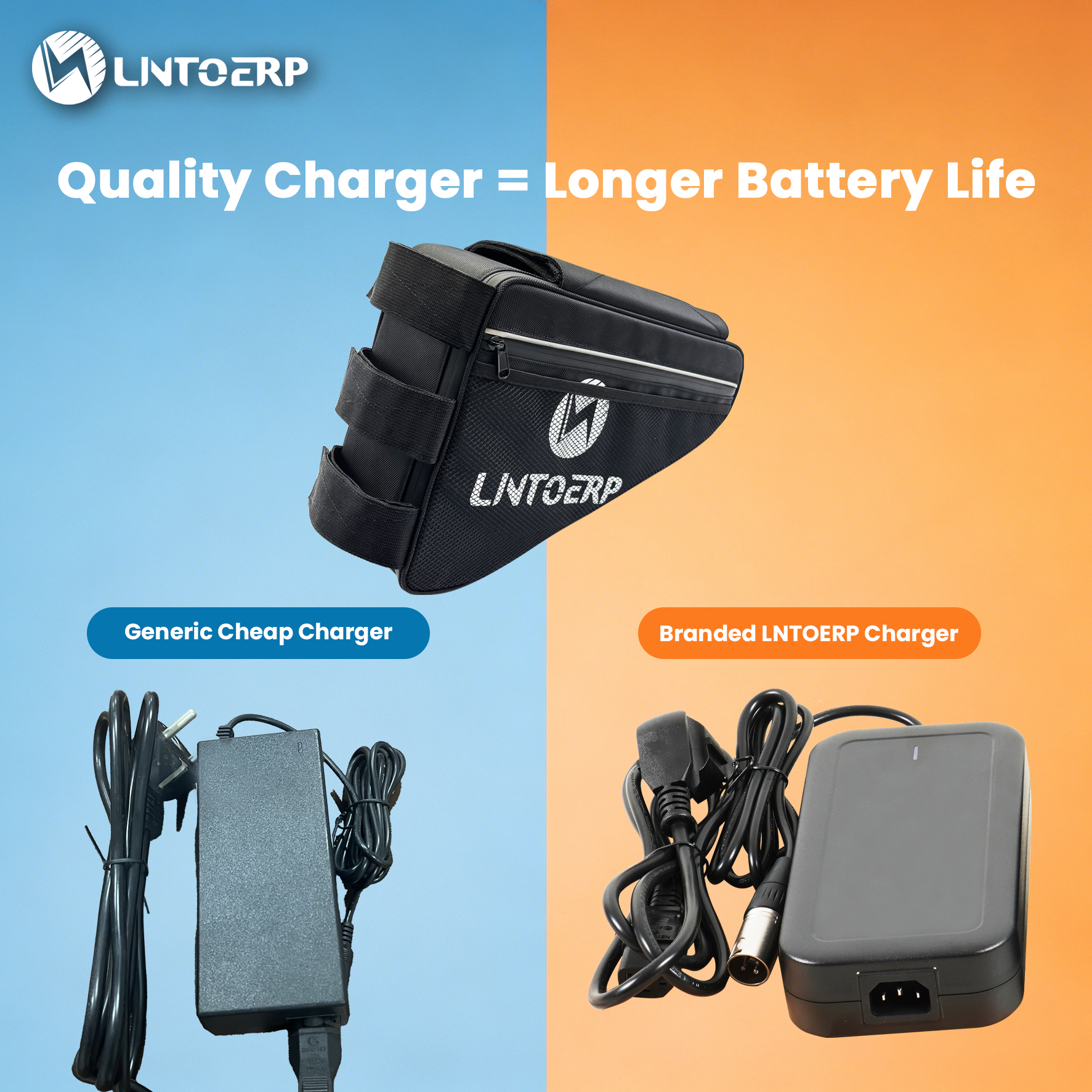
It’s a common scene: a customer invests in a premium 48V 20Ah LNTOERP battery, then pairs it with a generic, no-brand charger from an online marketplace to “save money.” Within months, they report reduced range and premature failure. The diagnosis often points back to the silent partner—the charger—which has been slowly degrading their expensive investment.At LN Energy Tech, we view the charger not as an accessory, but as an integral life support system for your battery. A bad charger doesn’t just fail; it fails your battery.How a “Dumb” Charger Inflicts Slow DamageA basic $15 charger has one goal: push voltage until it hits a pre-set limit (e.g., 54.6V for a 48V pack). It’s blunt force charging, with three critical flaws:No Cell Balancing: It charges the entire series string as one unit. Slight variations between cells cause some to hit 4.2V early while others lag. The charger keeps pushing, overcharging the highest cells…