
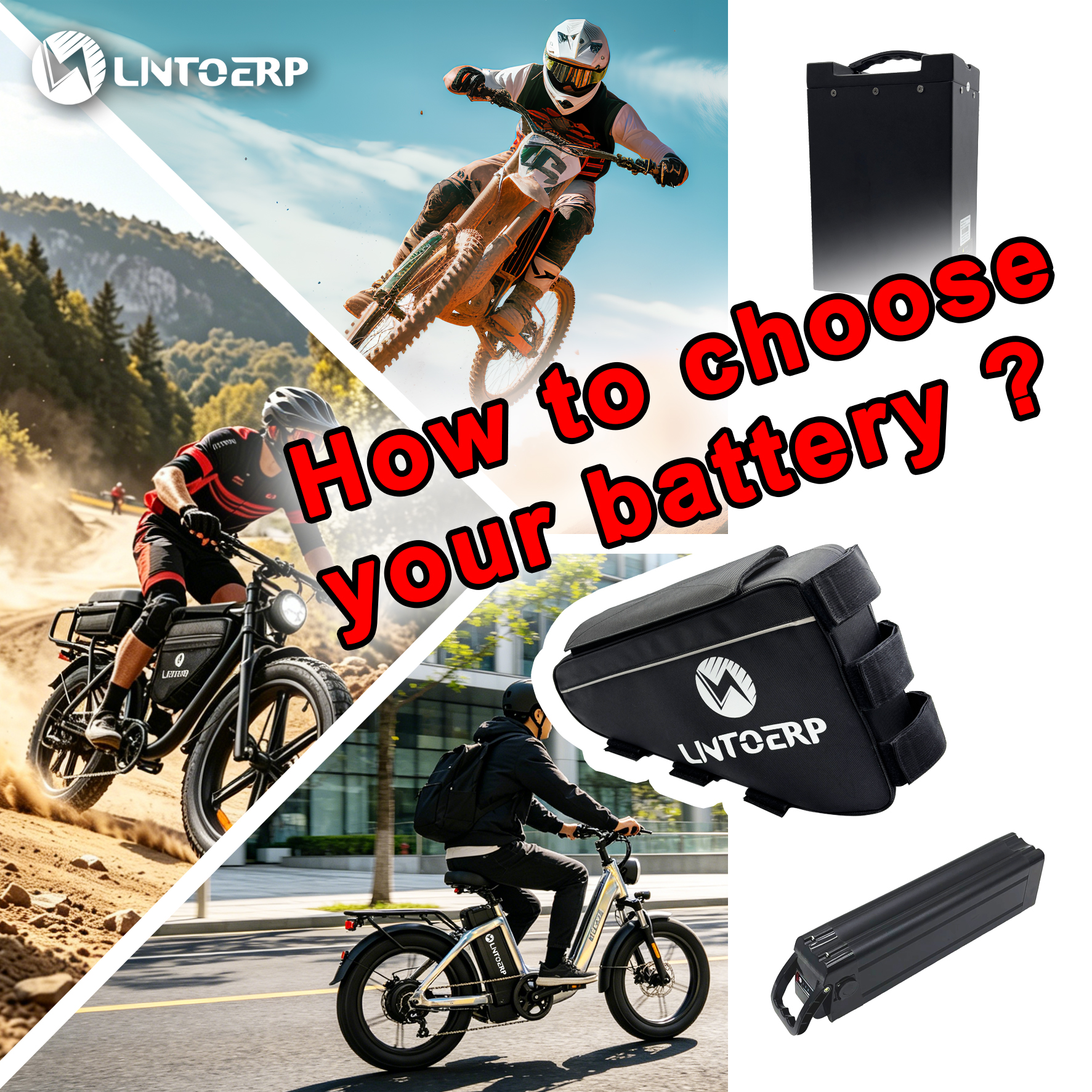
The question in every online forum: “Should I upgrade to 52V or even 72V?” The hype is about top speed, but the real answer is a complex equation of physics, component limits, and use case. Choosing the wrong voltage can lead to fried controllers, melted connectors, and a bike that’s worse to ride daily.At LN Energy Tech, we guide customers through this decision daily. It’s not about selling the highest number; it’s about matching the system voltage to your riding reality.The Voltage Effect: It’s About Torque, Not Just RPMThink of voltage as electrical “pressure.” More pressure means the motor can draw more power (Watts) for the same amount of current (Amps). The key equation: …
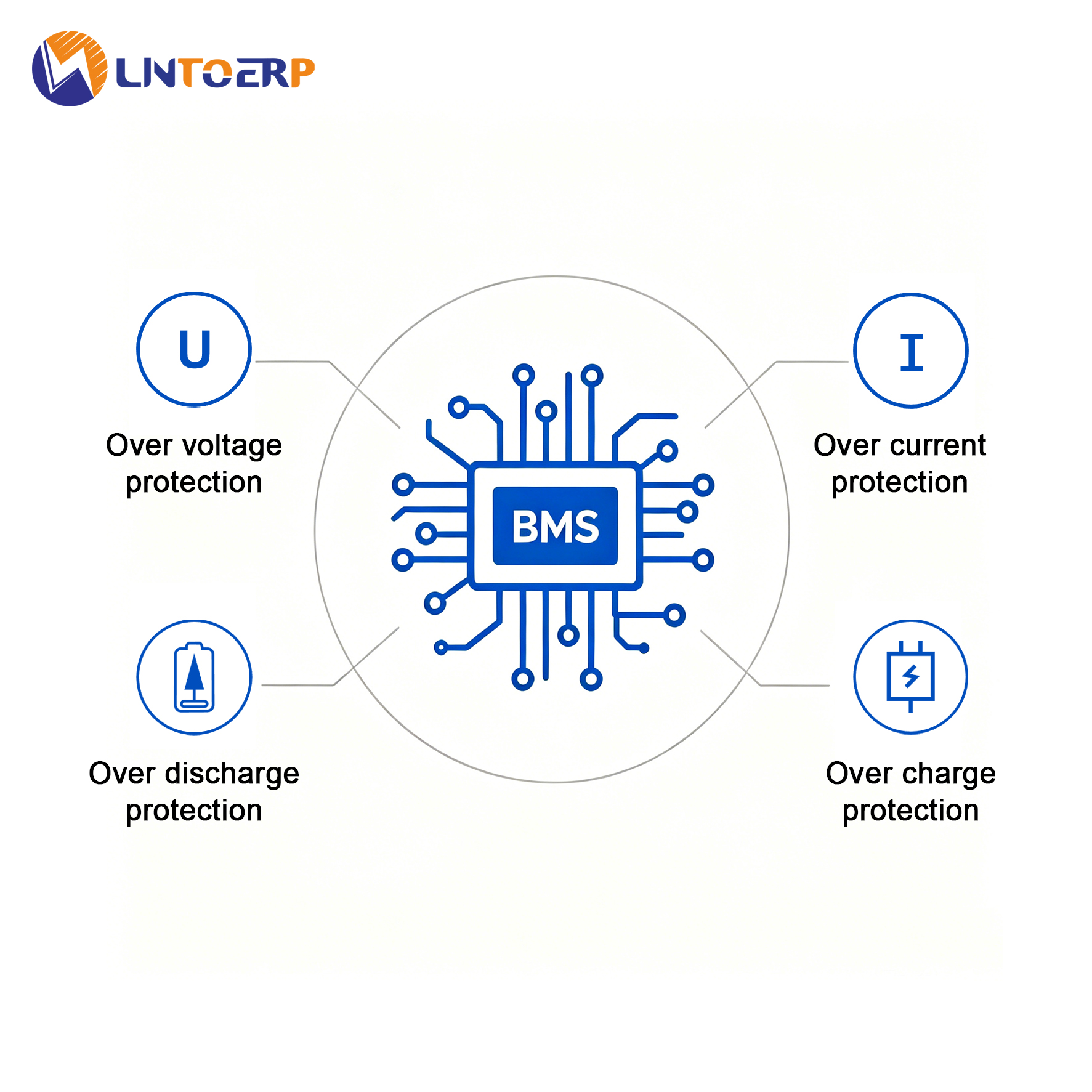
Open any reputable e-bike battery, and you'll find a green circuit board. It’s the Battery Management System (BMS). Most riders think its only job is to stop charging at 100%. In reality, this unsung hero is a 24/7 guardian performing a balancing act between performance and survival. A cheap BMS is a ticking clock; a smart one is an insurance policy.At LN Energy Tech, we don’t buy BMS units off a shelf. We specify their firmware. The difference is what happens between the extremes.The Five Protection Lifeguards (And How They Fail)A BMS constantly monitors voltage, current, and temperature. Here’s what each protector does:Overcharge Protection (The Obvious One): Stops charging when any single cell hits its voltage limit (typically 4.2V for NMC). Cheap BMS Failure: Slow response time can allow cells to “coast” over the limit, causing stress.Over-Discharge Protection (The Range Saver): Cuts output when any cell drops too …
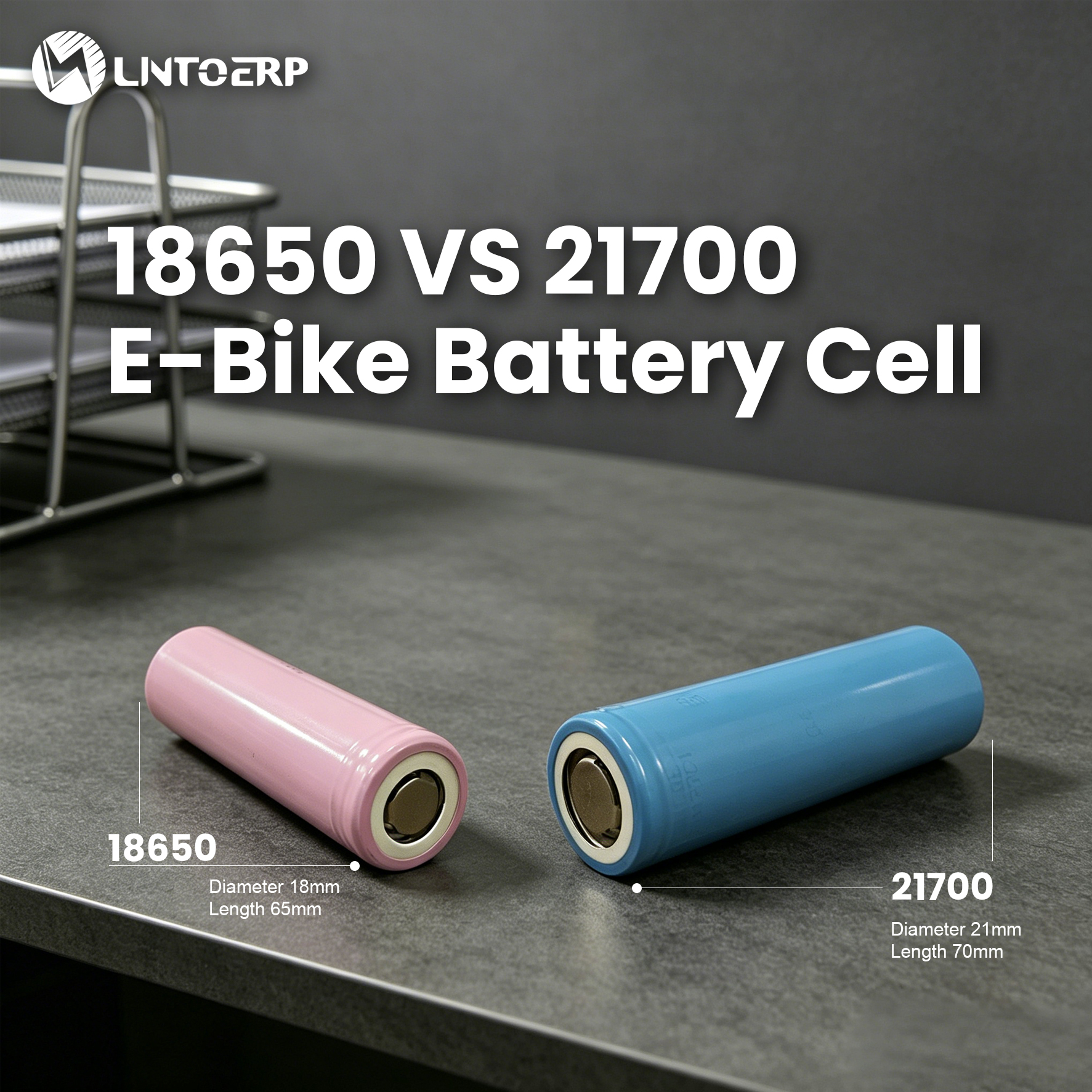
Scroll any battery listing and you'll see the numbers: "Made with 21700 cells!" touted as the clear upgrade over the older 18650 standard. The implication is simple: bigger number, better battery. But in the world of e-bike pack engineering, the choice between 18650 and 21700 isn't about good vs. bad—it's about optimizing for a specific performance profile.At LN Energy Tech, we design with both. The decision starts with a simple question: Is the priority maximum range or maximum sustained power?Breaking Down the Numbers: It's Not Just SizeThe names are codes: 18650 is 18mm diameter x 65.0mm length. 21700 is 21mm x 70.0mm.The Volume Advantage: The 21700 has roughly 50% more volume. This allows it to hold more active material (cathode, anode), translating directly to higher capacity (Ah) for a single cell.The Surface Area Catch: While bigger, its surface-area-to-volume ratio is worse. This makes it …
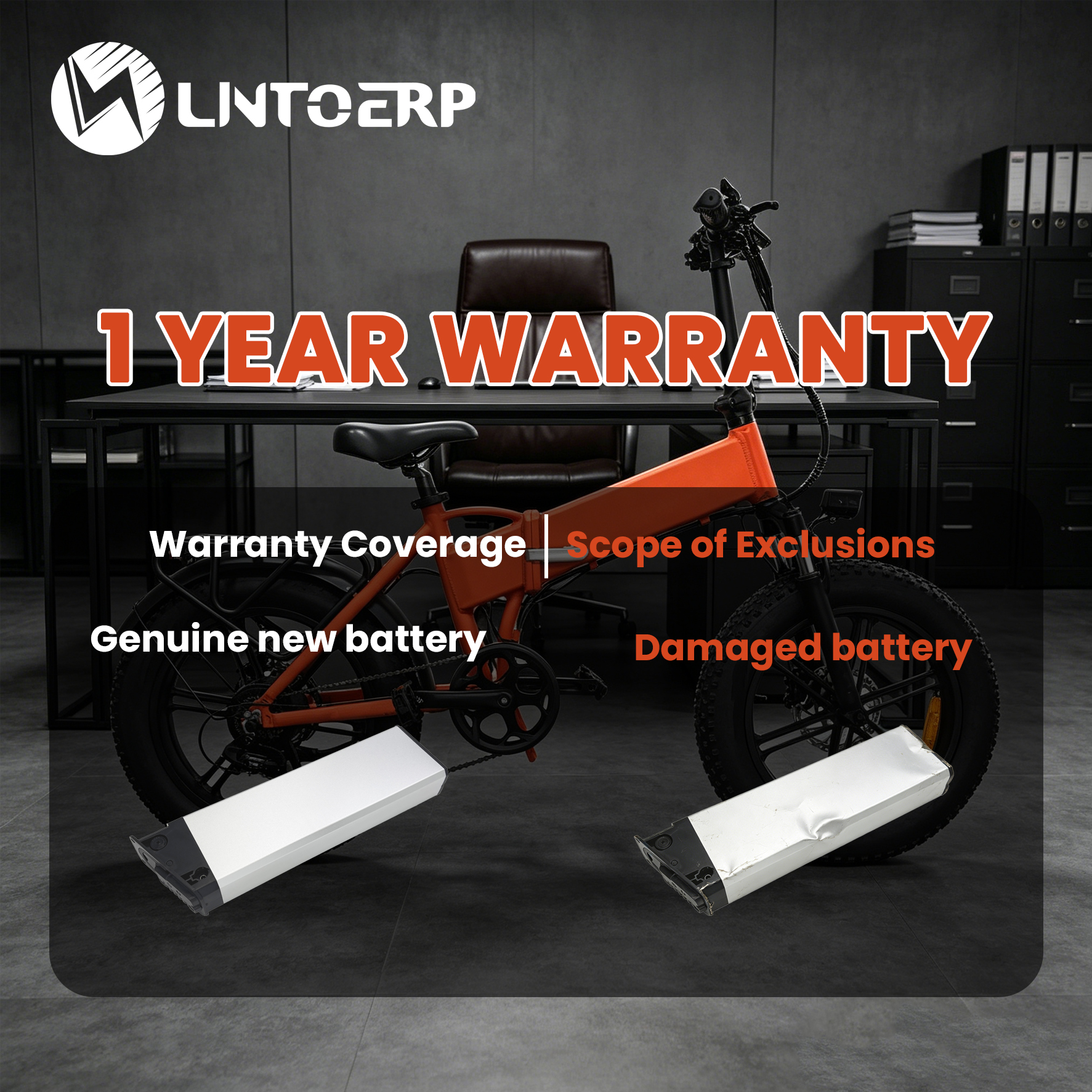
“1-Year Warranty” stamped on a battery listing feels like a safety net. But for many riders, the first time they read the terms is after a failure, leading to shock, denial, and accusations. The truth is, a warranty is a legal contract that defines the boundaries of responsibility between maker and user.At LN Energy Tech, we believe clarity builds trust. Our warranty isn’t the longest, but we aim to make it one of the clearest. Here’s what matters, in plain language.The Three Pillars of a Valid Claim: Failure, Not WearA warranty covers defects in materials or workmanship. It does not cover normal degradation or damage from misuse. The distinction hinges on our forensic analysis:Sudden Death vs. Slow Fade: A cell that goes to 0V overnight is a defect. A pack that gradually loses 30% of its range over 9 months is likely normal wear, influenced by your charging habits, depth of discharge, and storage conditions.The Telltale S…
The day comes: your trusty 48V pack no longer holds enough charge for your commute. Before you consider it “dead” and relegate it to a garage corner—a potential fire hazard—pause. An e-bike battery at 70% of its original capacity isn't dead; it's retired from high-performance duty. Its next chapter could be anything from a home solar backup to a source of precious materials.At LN Energy Tech, we view the entire lifecycle. Here’s a roadmap for your battery’s dignified and safe next phase.Phase 1: Assessment – Is It “Spent” or Just “Tired”?First, diagnose. A professional check (we offer this for a fee) can tell you:Capacity Remaining: Is it 60% or 30%? This dictates its reuse potential.Balance Health: Are all cell groups still relatively even? A severely imbalanced pack is riskier to repurpose.Physical Condition: Is the casing and BMS intact?Phase 2: The Repurpose Path (For the Technically Inclined)Warning: Only atte…
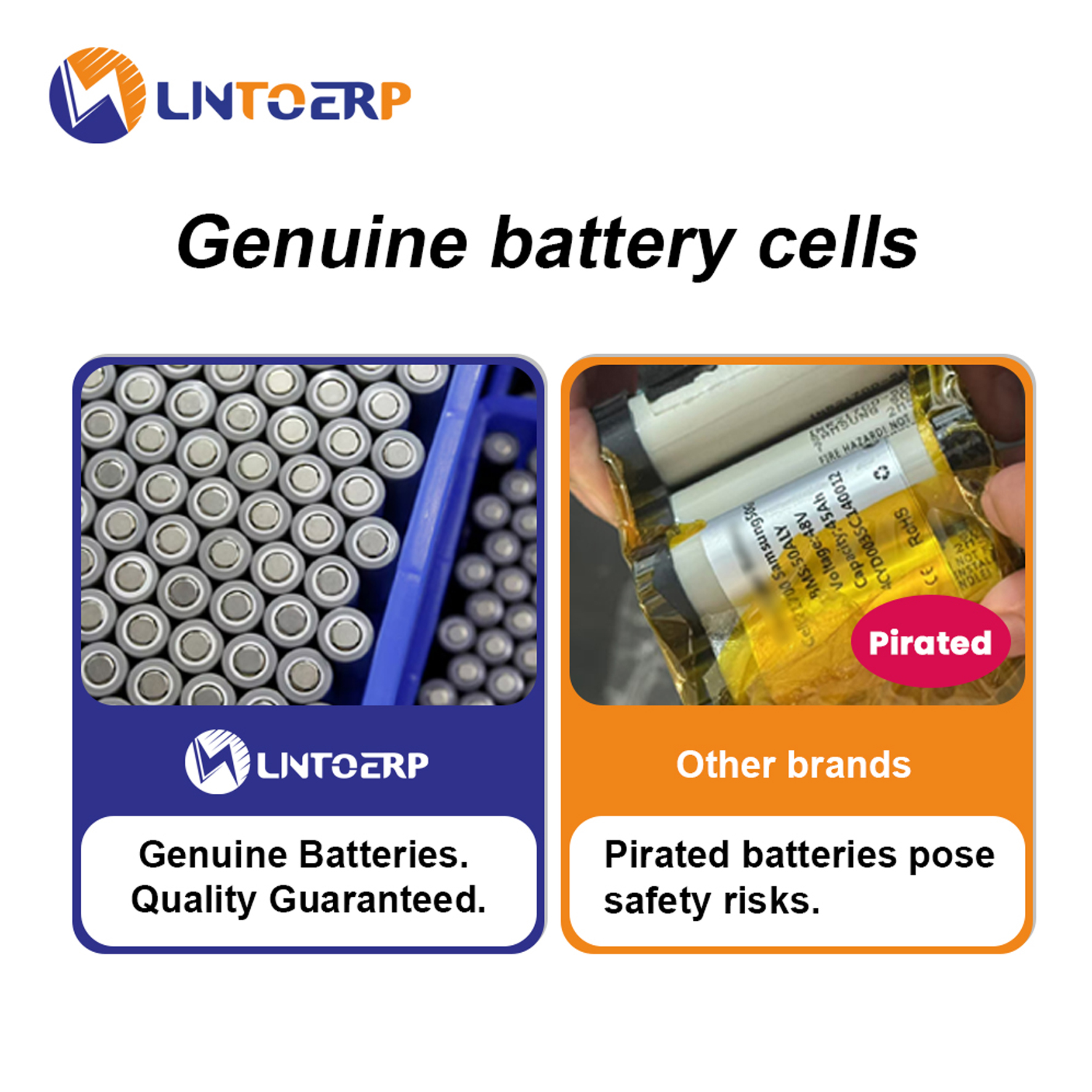
An online marketplace listing: “Genuine Samsung 50E 21700 Cells – Grade A – 50% Off Bulk Price.” For a DIY builder or a budget-conscious assembler, it’s tempting. But in our industry, a deal that seems too good to be true almost always is. The global grey market for lithium-ion cells has become sophisticated, flooding channels with rewrapped, mislabeled, and outright counterfeit cells that endanger every pack they enter.At LN Energy Tech, our supply chain is audited. We pay the premium for traceability because the cost of a fake is measured in more than money.The Grey Market Tiers: From “B-Grade” to “Zombie Cells”B-Grade / Factory Seconds: These are genuine cells from major makers (Samsung, LG, Murata) that failed internal QA for capacity, internal resistance (IR), or self-discharge rate. They’re sold in bulk without brand markings. Risk: Inconsistent performance, shortened lifespan, but usually not an immediate safety haz…
You fully charged your e-bike battery last fall, unplugged it, and stored it in the garage for the winter. Spring arrives, you press the power button—nothing. The display shows zero. This isn’t a defect; it’s often parasitic drain, a silent energy loss that can permanently kill a lithium-ion pack if left unchecked.At LN Energy Tech, we field this call every March. Understanding the “why” is the first step to prevention. Your battery isn’t a brick; it’s a living system, slowly consuming itself even at rest.The Two Culprits: Chemistry and ElectronicsCell Self-Discharge (The Unstoppable Leak): All lithium-ion cells slowly lose charge through internal chemical reactions. A quality, new NMC cell has a very low rate—around 1-2% per month at room temperature. But this rate accelerates with heat and is higher in aged or low-quality cells.BMS Quiescent Current (The Vampire Draw): Your battery’s Brain (BMS) needs a tiny trickle of p…
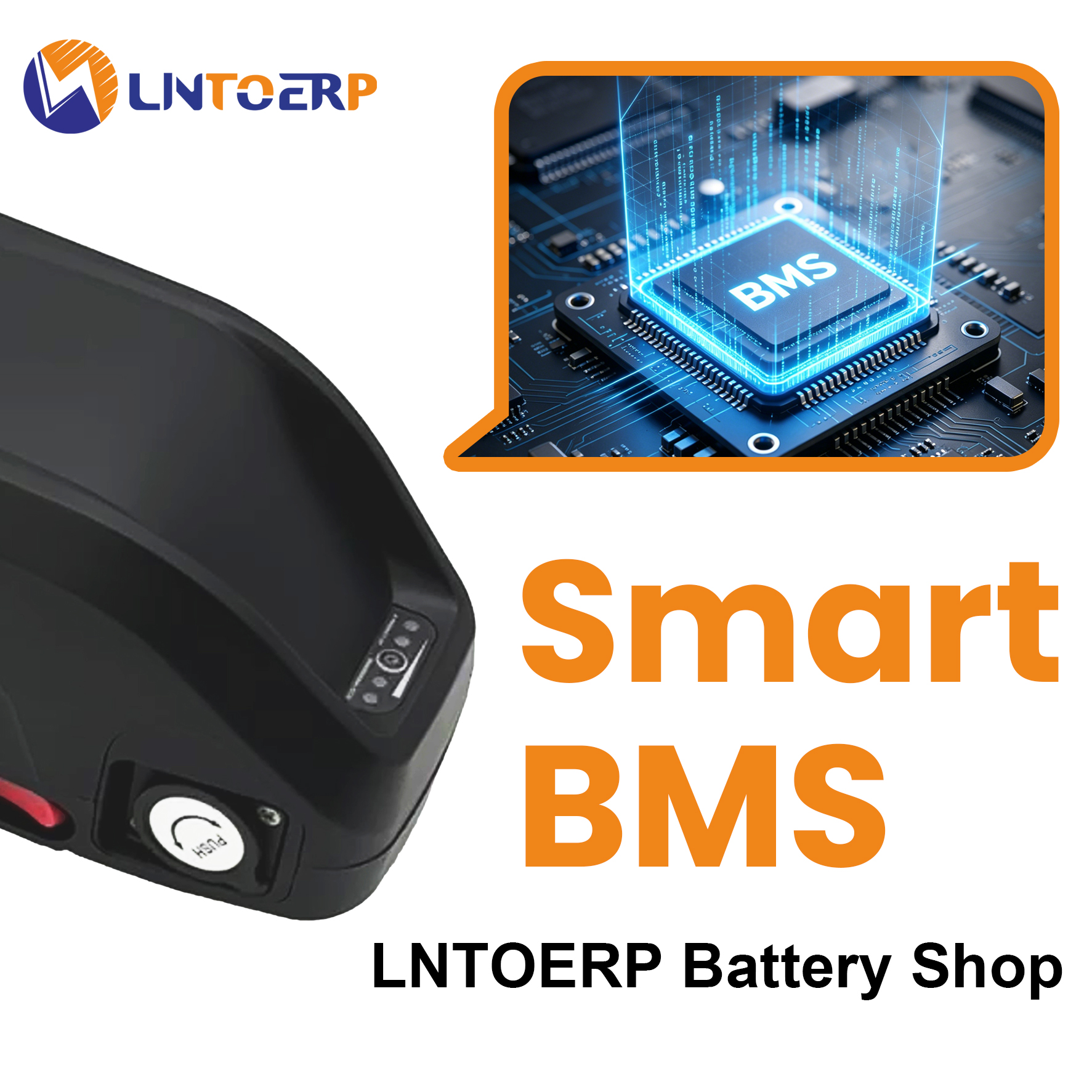
When you think of battery safety, you picture robust cells, sturdy welds, and a capable BMS board. But there's an invisible layer: the firmware running on that BMS chip. It’s the silent logic, the decision-making protocol that separates a basic protector from an intelligent guardian. At LN Energy Tech, we don't just select BMS hardware; we specify and test its firmware behavior—because the best hardware is useless with dumb software.Beyond Trip Points: Predictive ProtectionA basic BMS acts like a simple circuit breaker: it monitors parameters and cuts off when a hard limit (e.g., 4.25V, 80C) is crossed. Our firmware implements predictive algorithms that look for dangerous trends before the limit is hit.Voltage Gradient Monitoring: Instead of just waiting for a cell to hit 4.25V, the firmware calculates how fast it's approaching that limit during charging. An abnormally steep rise could indicate an imminent inte…
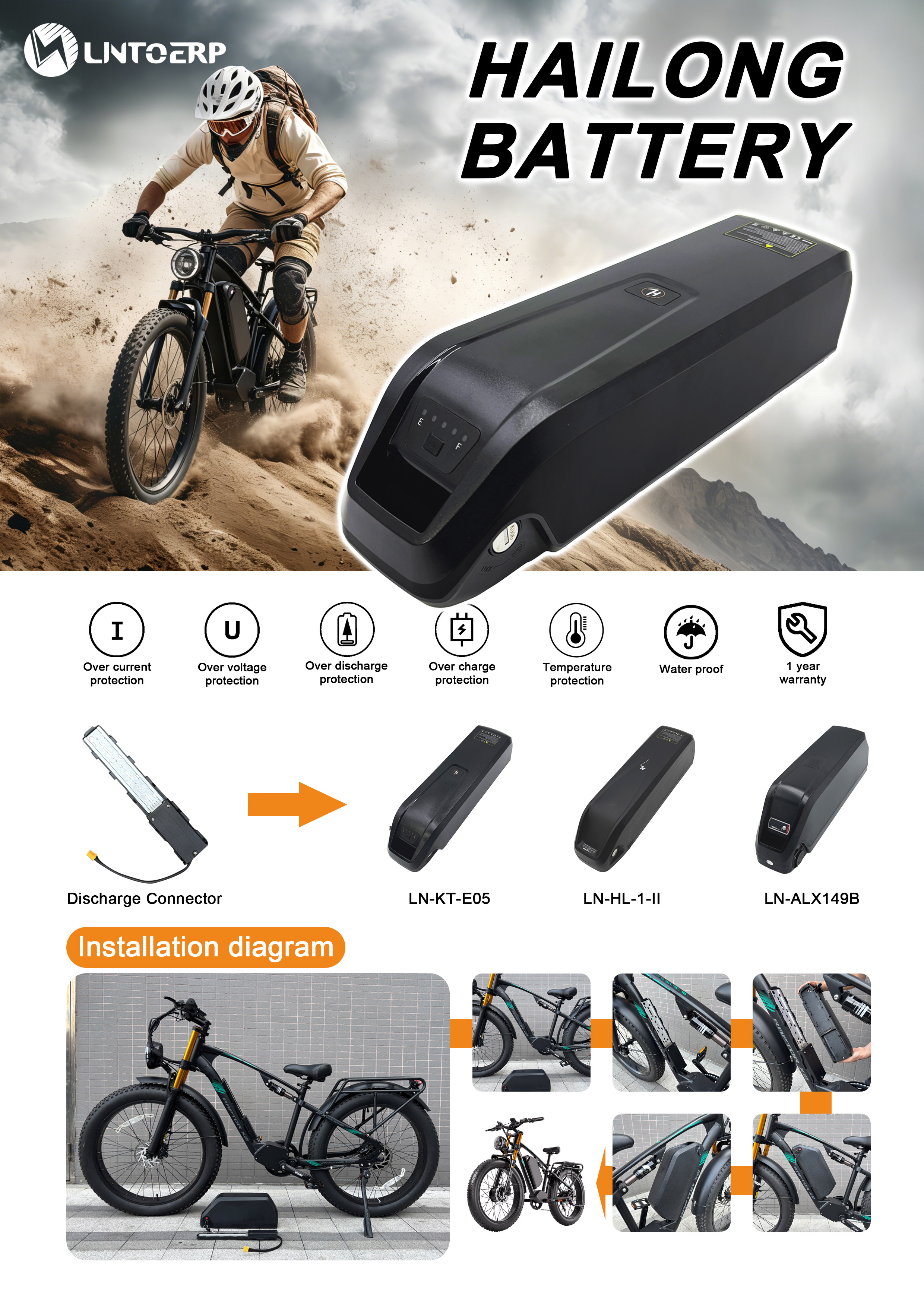
“Hailong” isn’t a brand – it’s a popular battery case design. It perfectly fits what the European market values: regulations, safety, compatibility, and good value for money. Professional lithium battery manufacturers like LNTOERP have helped make Hailong batteries a trusted choice in Europe.Wide range of usesHailong batteries come in many models, such as LNTOERP’s Hailong 1, G70, G80, and PRO series. Their brackets and connectors are very universal, making them great for battery upgrades or DIY e-bike conversions. Some models even have a power switch and USB port, adding extra convenience for daily use.Complies with EU rulesUnlike custom-shaped cases, Hailong batteries use a mature and standard design which makes it easier and cheaper to pass European safety certifications. LNTOERP’s Hailong batteries, for example, have passed strict tests like TUV, CE, and RoHS, and come with all the required compliance documents. That’s…
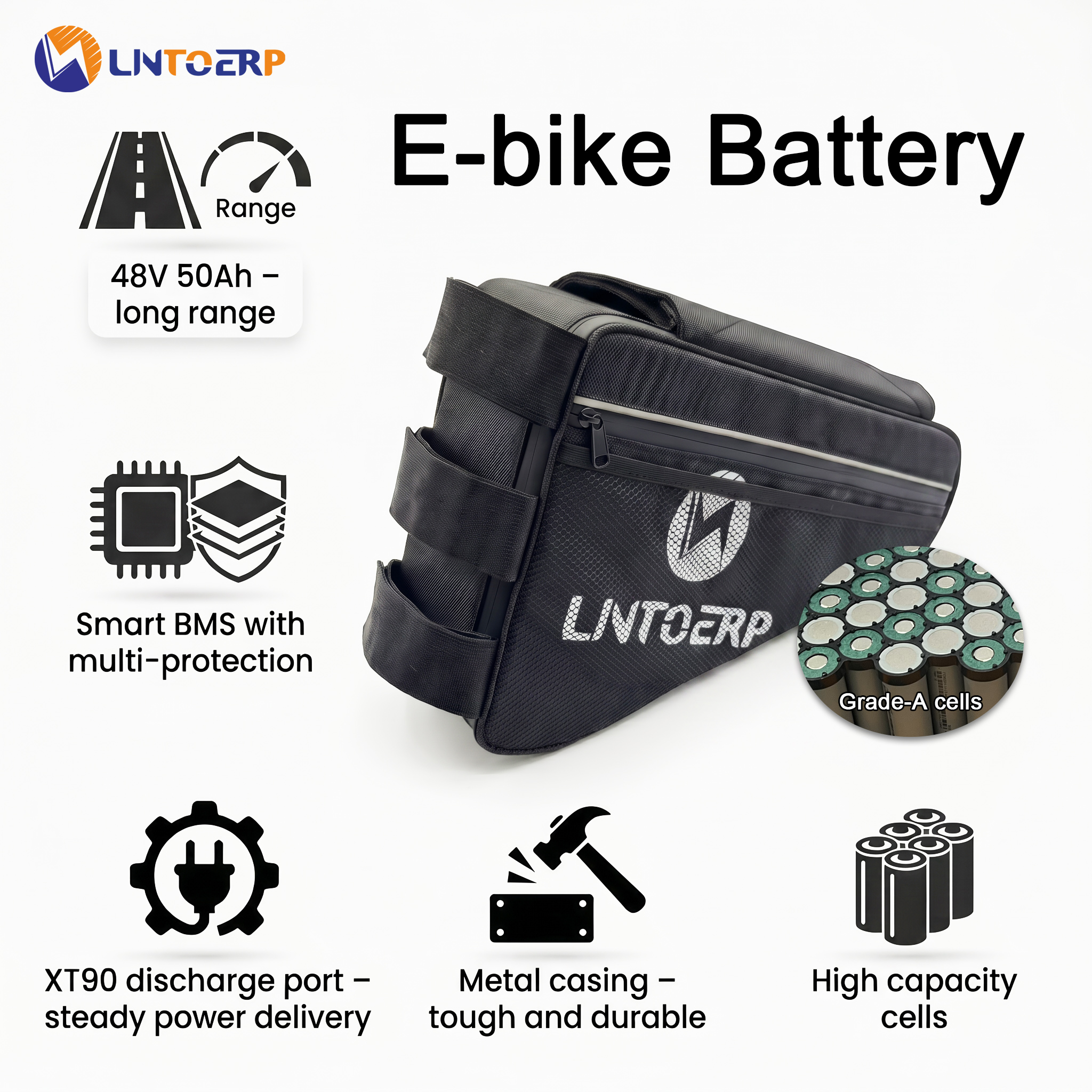
You may have noticed more e-bikes using triangle batteries. What’s so good about them? Let's use our LNTOERP LN‑BJ‑056 as an example to find out.1. Great FitWhether you ride a commuter bike or a mountain bike, the LN‑BJ‑056 fits right in. It’s great for DIY e-bike builds — easy to install, no big changes to the frame.2. More Stable RideThe LN‑BJ‑056 sits inside the main triangle of the frame. This lowers the center of gravity and keeps it in the middle. The whole bike feels more stable.3. Smart Use of SpaceThe LN‑BJ‑056 uses the empty triangle space in the frame. Your rear rack stays free for bags or other items — much more practical.4. Strong PerformanceThe LN‑BJ‑056 comes in voltages from 48V to 72V and capacities from 30Ah to 50Ah. It works with motors from 250W to 2000W. Whether you’re climbing hills or carrying heavy loads, it delivers plenty of power.In short: Triangle batteries are getting popular because they b…
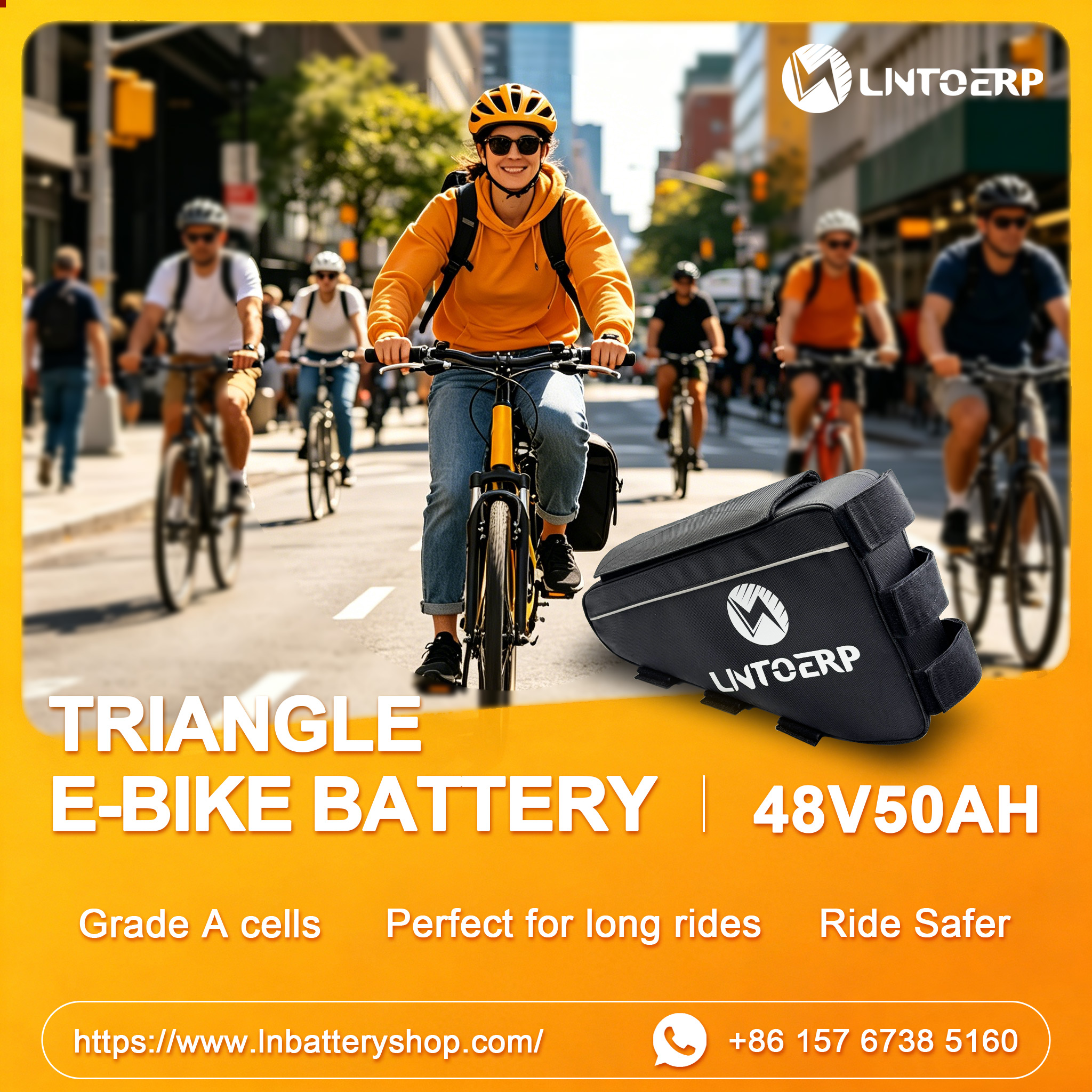
Most of them do it for three reasons: to restore performance, meet new demands, or ride more safely. Here’s how LNTOERP helps with all three.①Restore PerformanceAfter many charge cycles, your battery loses capacity. Range gets shorter, power drops. LNTOERP battery uses 100% brand new Grade‑A cells. You get real capacity, steady output, and a ride that feels like new.②Meet Your NeedsIf your current battery doesn’t give you enough range, upgrade to a higher capacity. The LNTOERP triangle battery offers up to 50Ah – perfect for long rides.③Ride SaferSwelling, overheating, or sudden range loss? These are signs you may need a new battery. LNTOERP triangle battery comes with a smart BMS that checks cell status in real time, plus a metal case for extra safety.#A Quick NoteBefore upgrading, make sure the new battery matches your controller and motor.Bulk & custom orders: +86 15767385160 (WhatsApp/WeChat)…
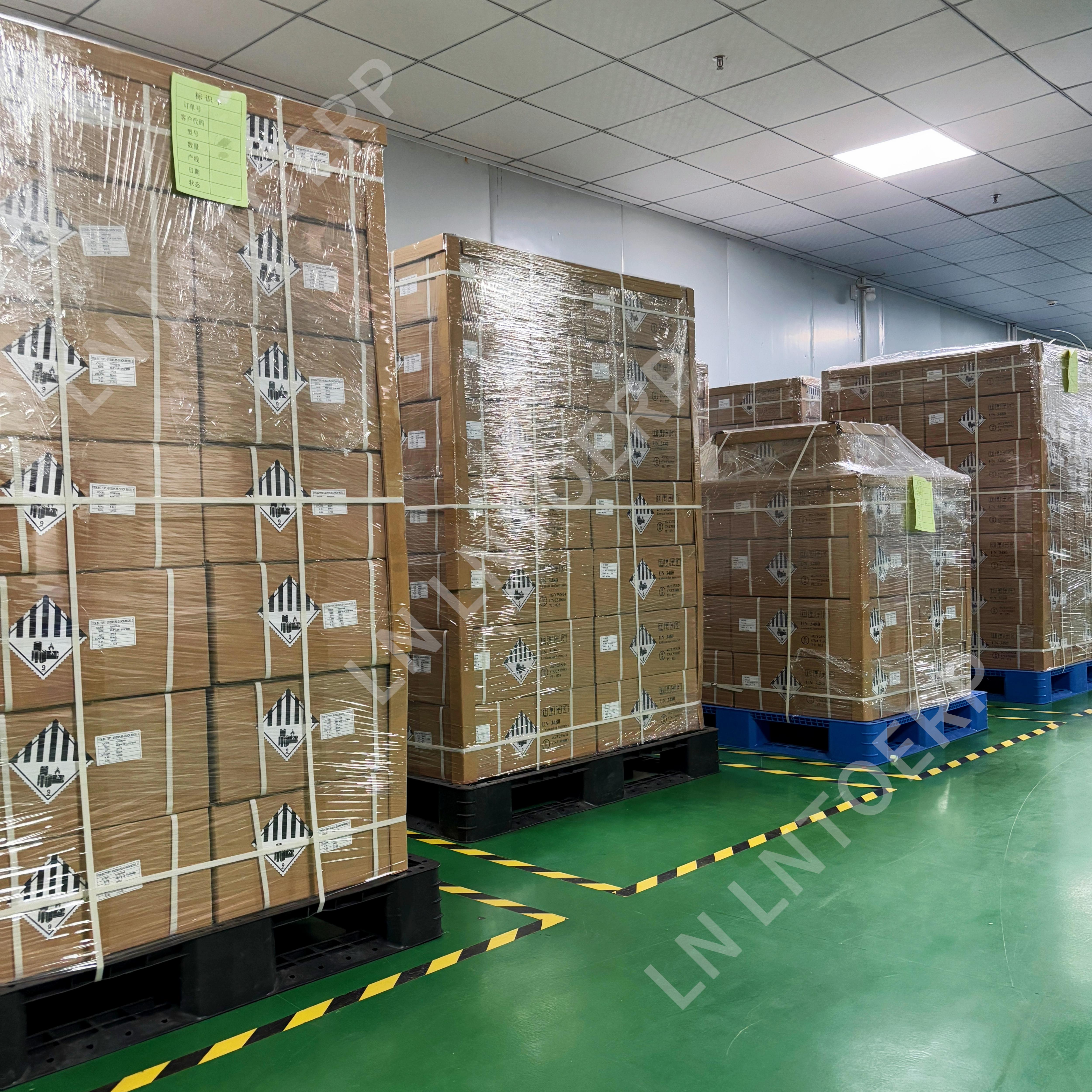
E-Bike Battery Solutions: Compliance, Performance & SustainabilityTo align with EU Battery Regulation (EU) 2023/1542 and EN 50604, e-bike manufacturers and battery suppliers must adopt solutions that ensure repairability, data accessibility, safety, and sustainability. Below are key strategies for compliant and high-performance e-bike battery systems.1. Modular & Repairable Battery DesignRequirements:Must allow easy disassembly (no permanent adhesives/welding).Replaceable cells & components (BMS, connectors, casing).Standardized tools for repair shops.Solutions:✔ Modular Battery Packs – Use snap-fit or screw-fastened designs instead of glued assemblies.✔ Removable Battery Management System (BMS) – Enable easy replacement without soldering.✔ Standardized Cell Formats – Use 18650, 21700, or pouch cells with accessible suppliers.✔ Self-Service Kits – Provide spare parts (fuses, connectors, BMS) for end-users.2. Open & Accessi…